
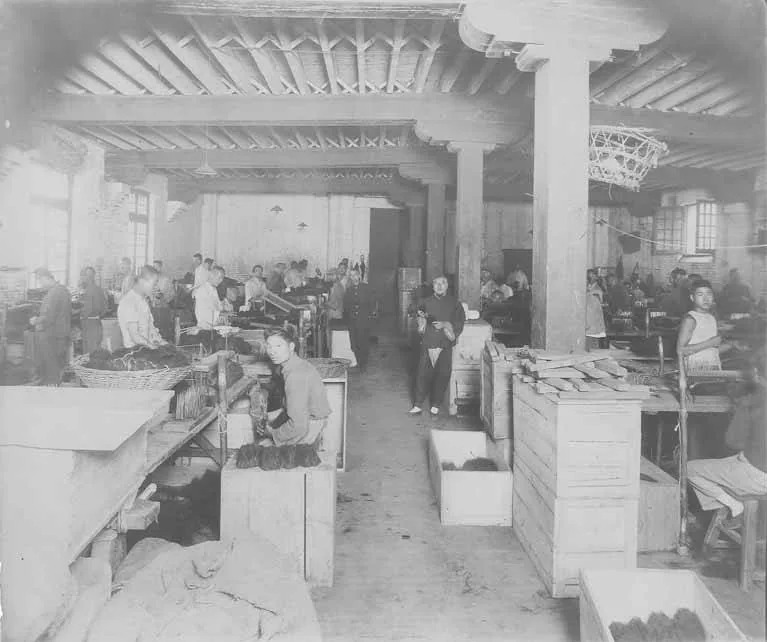
Reconcile bulk tea warehouse stock by freezing one cut-off time, matching every receipt, move, status change, adjustment and release to the same lot and unit basis, then comparing the event ledger with a blind physical count. Do not release a lot merely because the warehouse management system shows enough stock. Identity, status, location, package count, net weight and release authority must agree, and every material variance needs evidence and approval.
This checklist starts after goods receipt and focuses on inventory integrity during storage. It does not repeat the environmental storage controls, decide who has legal title, or replace the warehouse-receipt and delivery-right review. A zero numerical variance also does not prove quality, food safety or conformity.
Reconcile three balances, not one number
| Balance | Question | Typical evidence | Failure example |
|---|---|---|---|
| Physical | What packages and quantity can be found at the cut-off? | Blind count sheets, scale records, pallet/location map and photos | System shows 300 bags; only 298 are located |
| Operational | What should remain after all valid events? | Opening balance plus receipts, minus releases, samples, losses and authorised adjustments | A dispatch posted after the count is deducted twice |
| Control | What may actually be released? | Owner, lot, available/hold/rejected status, customs status, receipt balance and approval matrix | Total stock agrees, but two held bags are recorded as available |
The basic calculation is opening stock + valid receipts + approved returns or transfers in - dispatches - samples - destruction - transfers out +/- approved adjustments = expected closing stock. Run it separately by lot, owner, status, location and unit of measure. A warehouse-wide net figure can hide equal shortages and surpluses in different lots.
Build one twelve-field reconciliation record
| Field | Buyer control | Stop trigger |
|---|---|---|
| 1. Scope and cut-off | Facility, zones, lot population, date, time and frozen transaction window | Movements continue without a controlled count marker |
| 2. Product identity | Purchase order, supplier lot, warehouse lot, description and marks | One code maps to two teas or a code is missing |
| 3. Owner and control | Legal/customer account, receipt or pledge reference and release authority | Stock is allocated to the wrong account or competing instruction exists |
| 4. Status | Available, quarantine, hold, rejected, damaged, sample or pending disposition | Physical labels and system status disagree |
| 5. Location | Site, zone, rack, bay, pallet and any overflow location | Stock is found outside an approved mapped location |
| 6. Package hierarchy | Container, pallet, bag/carton and inner-unit identifiers | Parent and child quantities do not roll up |
| 7. Quantity basis | Packages, nominal net weight, actual weight and agreed conversion | Records compare pieces with kilograms without a rule |
| 8. Event ledger | Receipts, moves, picks, dispatches, samples, repacks, losses and returns | Event lacks time, actor, source/destination or lot |
| 9. Physical count | Counter, checker, method, scale ID, count sheet and exceptions | Counter sees the expected system quantity before counting |
| 10. Variance | Quantity, status and location difference with materiality class | Offsetting variances are netted without investigation |
| 11. Adjustment | Reason code, evidence, preparer, independent approver and posting time | One person can count, explain, approve and post |
| 12. Close-out | Release/hold decision, correction, claim notice, retest and retained records | Lot is released before unresolved differences close |
Use an eight-step stock-reconciliation workflow
1. Define the unit, scope and acceptance rule
State whether the controlling quantity is sealed package count, pallet count, actual net weight or another unit. Define how nominal pack weight will be used and when weighing is required. Set separate rules for quantity, identity, status and location; a tolerance for weight does not authorise a wrong lot or an available-versus-hold mismatch.
2. Freeze the cut-off and preserve the event ledger
Choose a time when receipts, transfers, picking and dispatch can be stopped or distinctly marked. Export the unedited opening balance and event history before corrections. Record transactions in progress and keep their documents. Without a clean cut-off, an apparent shortage may be only a timing difference.
3. Rebuild expected stock from events
For each lot, roll forward from a previously accepted balance. Match receipts to the arrival and quarantine record; match dispatches to release orders and signed handover; and separately record samples, damaged packs, repacking, destruction, returns and inter-location moves. GS1's current traceability framework describes critical tracking events and the key data that explain what occurred. It is a voluntary interoperability standard, not a legal inventory tolerance.
4. Count blind and test the location map
Give counters the lot and location scope without the expected quantity. Count sealed packages first, then verify labels, status markings, pallet composition and location. Use a second person for recounts and high-risk lots. Weigh a justified sample or every affected pack when package integrity, nominal weights or partial units make counting unreliable.
5. Reconcile identity, status and quantity separately
A worked control illustrates the point: 400 bags are received; 100 are released; two of the remaining 300 are damaged and placed on hold. The physical total and system total can both equal 300, yet the release balance is wrong if the system shows all 300 as available. The correct control view is 298 available plus two held. Do not solve that error with a quantity adjustment.
6. Investigate every material difference
Search unposted movements, duplicate transactions, wrong-lot picks, unit conversions, samples, repacks, count errors, concealed damage and cross-location transfers. Expand the count to adjacent locations and related lots when evidence points beyond the original scope. Preserve photographs, labels, system audit logs and original count sheets before editing records. If shortage, damage or unauthorised release is possible, use the notice and evidence checklist promptly.
7. Approve adjustments as controlled corrections
An adjustment records the best supported conclusion; it does not erase the exception. Require a specific reason, linked evidence, independent approval and an audit trail showing the before-and-after values. Prohibit generic “inventory correction” reasons. A significant unexplained shortage, surplus, owner mismatch or status error should trigger hold, management escalation and any required notice to the warehouse, insurer or other party.
8. Close, release and trend recurrence
Re-run the roll-forward after postings and confirm that the physical, operational and control balances agree. Link available quantity to the controlling warehouse receipt and release authority. Trend variances by facility, zone, product, reason, user and process; repeated small adjustments may reveal a larger system weakness. Test the corrected lot again during the next cycle count or the mock traceability exercise.
Write pass, clarify and stop decisions
- Pass: identities, owner, status and locations agree; quantity reconciles under the prewritten unit rule; all events and adjustments are supported; and release authority is clear.
- Clarify: stock is physically controlled and held while a low-risk timing, location or documentation difference is resolved within a stated deadline.
- Stop: tea cannot be located or isolated, the lot/owner/status is wrong, an unexplained material variance remains, an adjustment lacks independent evidence, or release could exceed the controlled balance.
Keep requirement types separate
- Legal requirement: destination, food, customs, tax, warehouse, accounting or document-retention law may impose duties for the actual transaction and location.
- Codex reference: CXC 1-1969 and CXG 60-2006 provide food-hygiene and traceability principles; Codex texts do not set a universal stock-variance tolerance.
- Voluntary standard: GS1 standards and ISO 22095 provide traceability and chain-of-custody frameworks. They do not, by themselves, prove tea characteristics, ownership or conformity.
- Buyer specification: the twelve-field record sets count method, units, evidence, tolerances, approvals and stop rules.
- Contract requirement: storage and purchase contracts allocate reporting, inspection access, liability, adjustment approval, claims and release obligations, subject to mandatory law.
Common buyer mistakes
- Reconciling the whole warehouse instead of each lot, owner, status and location.
- Counting packages while ignoring partial bags, samples and actual-weight exceptions.
- Letting counters see the expected quantity and copy the system result.
- Using one tolerance to excuse identity or hold-status errors.
- Posting an adjustment before preserving the original event history.
- Netting a shortage in one lot against a surplus in another.
- Treating a zero variance as proof of product quality or legal title.
- Releasing stock while a receipt balance, lien, customs hold or authority conflict remains.
Practical conclusion
Use the sequence define - cut off - roll forward - count blind - reconcile by dimension - investigate - approve - recount - release or hold. Put the unit basis, evidence fields, materiality, approval matrix and stop triggers into the warehouse instruction before the first receipt.
Connect the reconciliation record to the bulk tea purchase specification, retained samples and the signed release process. To align tea identity, packing, lot size and required warehouse records before shipment, send Yunjing Tea the buying and handling requirements.
Sources checked 8 November 2026: Codex CXC 1-1969, General Principles of Food Hygiene, and the current published CXG 60-2006 traceability principles while revision work remains in progress; GS1's current Global Traceability Standard 2.0.0 and Global Traceability Compliance Criteria 4.1.0; and ISO 22095:2020 with Amendment 1:2026, currently published and marked by ISO as to be revised. Confirm applicable law, contracts, warehouse procedures and claim-specific rules for the actual facility and transaction.