
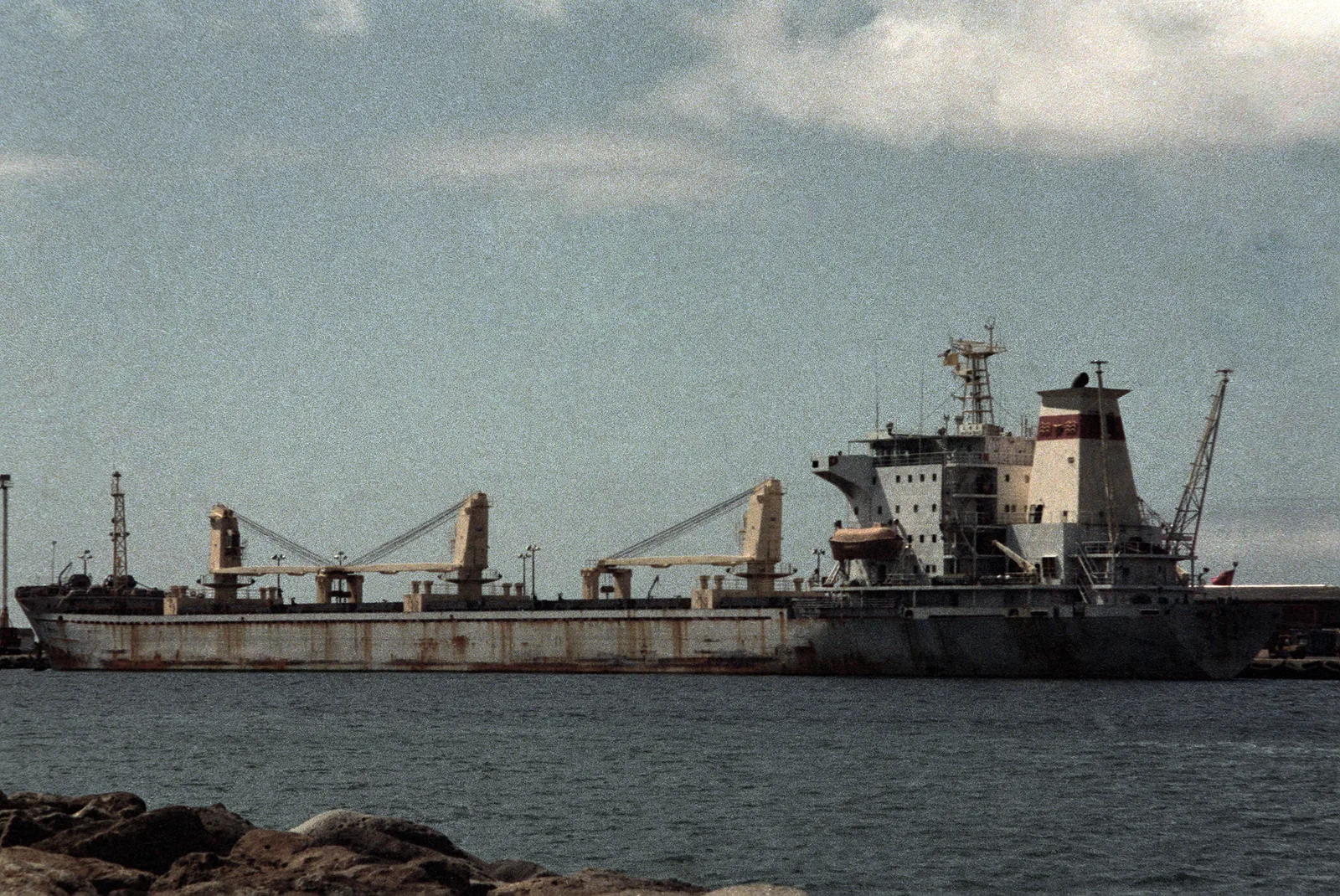
Close a bulk tea cargo claim only after one settlement ledger shows every claimant, payer, payment basis, deduction, salvage receipt, recovery right, release and unresolved balance. A bank receipt proves that money moved; it does not prove that the correct claim was paid, that another party may no longer recover, or that a release can safely extinguish remaining rights.
This checklist starts after the loss has been evidenced and valued. Use the separate guides for arrival notice and evidence, claim quantum and reconditioning, salvage or destruction. Settlement close-out is the later control that reconciles who paid what, which rights moved and what must remain open.
Map five payment tracks before signing anything
| Track | Typical payment | Close-out question |
|---|---|---|
| Sale contract | Seller credit, replacement, price reduction or agreed remedy | Which sale obligation is discharged, and are carriage or insurance rights assigned or preserved? |
| Cargo insurance | Insurer indemnity less deductible, uninsured part or other adjustment | What has been indemnified, and what recovery rights or documents pass to the insurer? |
| Carrier or logistics liability | Negotiated recovery, judgment or liability-insurer payment | Which party and occurrence are released, and which heads of loss remain? |
| Salvage or disposal | Net sale proceeds, recycling credit or disposal cost | Who owned the proceeds, and were taxes, commissions and costs recorded gross? |
| Other account | Warehouse credit, survey-cost reimbursement, general-average adjustment or third-party contribution | Is it the same loss, a different obligation or a collateral payment under the applicable law? |
Do not automatically deduct every receipt from every claim. Under the facts and English law in the 2024 Doric Valour decision, a seller's separate payment was collateral to the carriage claim. That is not a universal rule. Record each stream separately and obtain claim-specific advice before netting, assigning or releasing it.
Build one twelve-field settlement ledger
| Field | Required record | Stop trigger |
|---|---|---|
| 1. Claim identity | Shipment, bill of lading, policy, purchase order, lot and event reference | Two losses or lots share one unexplained file |
| 2. Claimant and capacity | Legal entity, title to sue, assignment, agency or subrogated capacity | Payee and rights-holder do not match |
| 3. Respondent and payer | Carrier, insurer, seller, warehouse or other party; payer if different | Payment source is unidentified |
| 4. Governing instrument | Contract, policy, bill, settlement offer, judgment or applicable rule | Terms are cited without the controlling version |
| 5. Gross head of loss | Quantity/value loss, survey, mitigation, disposal or other supported line | One lump sum cannot be traced to the claim schedule |
| 6. Adjustments | Deductible, limit, salvage, tax, depreciation, underinsurance or agreed compromise | Deduction lacks a basis or duplicates another line |
| 7. Currency and date | Claim, offer and payment currencies; rate source and conversion date | Exchange difference is silently buried |
| 8. Payment evidence | Offer, acceptance, credit note, remittance advice, bank receipt and value date | Ledger marks paid before cleared value |
| 9. Rights movement | Assignment, subrogation receipt, authority to pursue and document custody | Two parties appear entitled to pursue the same right |
| 10. Release scope | Released parties, claims, event, amount, carve-outs and effective condition | Release is broader than the approved settlement |
| 11. Remaining balance | Open principal, costs, interest, uninsured balance and responsible owner | Unresolved item has no owner or deadline |
| 12. Final close | Approvals, reserves, originals, retention period and reopen trigger | File closes while rights, funds or records remain uncertain |
Use an eight-step settlement workflow
1. Freeze the approved claim schedule
Start with the last supported gross-loss schedule, not the first demand. Version-control each line and link it to survey, invoice, weight, disposition and cost evidence. Label any compromise and keep the underlying calculation separate.
2. Identify the rights-holder for every track
Confirm the buyer, seller, consignee, policyholder, assignee and any insurer that has paid. A party receiving funds is not necessarily the party entitled to release a carrier. Check signatures, corporate names and authority. If rights were assigned, state their scope and effective date instead of assuming the entire claim moved.
3. Reconcile payments gross, then allocate
Post the full amount received against its actual source and instrument before allocating it to claim lines. Keep salvage proceeds, sale credits, insurer payments and carrier recoveries on separate rows. This exposes double deductions, foreign-exchange differences and payments that address different obligations. Never use a single “net recovered” cell as the only record.
4. Protect subrogation and contribution rights
Under sections 79-81 of the current UK Marine Insurance Act 1906, an insurer that indemnifies a loss can acquire subrogated rights to the extent paid; double insurance can create contribution rights; and an underinsured assured bears the uninsured balance. These are UK statutory rules and the policy may affect their operation. The IUMI-hosted cargo guide likewise warns that failing to protect recovery rights can prejudice a claim and describes the insurer proceeding against a responsible third party after settlement. Do not waive, settle or transfer third-party rights without the required insurer and legal approval.
5. Draft the release from the ledger
Name the payer, released parties, voyage, document numbers, event, payment, currency and exact claims released. State whether effectiveness depends on cleared funds. Preserve expressly excluded claims, unknown losses, other lots or rights held by another party where agreed. Avoid a generic “full and final settlement of all matters” when the approved offer covers only one payer or loss head.
6. Close documents and money together
Match the signed offer and release to the bank value date, credit note and accounting entry. Deliver originals, assignments, subrogation receipts or policy documents only under a controlled list. The cargo-insurance document checklist identifies records that should not disappear when payment arrives.
7. Resolve reserves and residual balances
Compare total supported loss with each accepted payment, rejected line, deductible, uninsured portion and pending recovery. Assign an owner and deadline to every open balance. Close a reserve only with finance and claim-owner approval; a zero insurer reserve does not mean that a carrier recovery, seller remedy or buyer-borne balance is finished.
8. Issue a close-out certificate and retain the file
Have claims, finance and legal or insurance reviewers sign a short record showing funds cleared, allocations approved, releases effective, rights transferred or preserved, originals controlled and all remaining actions completed. Retain the evidence for the longest applicable legal, policy, contract, audit and accounting period. Reopen on returned funds, a new demand, duplicate payment, invalid authority or evidence that the release scope was wrong.
Write pass, clarify and stop decisions
- Pass: every payment is cleared and allocated; rights-holders and released parties are verified; subrogation, assignment and originals are controlled; and no unexplained balance remains.
- Clarify: funds are secure but a narrow allocation, tax, currency or document issue remains owned and time-bound; no release or destruction of originals occurs meanwhile.
- Stop: payee authority is uncertain, two parties claim the same right, a release exceeds the offer, a payment may be duplicated, insurer approval is missing, or an open time bar could expire.
Keep requirement types separate
- Legal requirement: governing insurance, carriage, contract, limitation, tax and evidence law controls the actual claim; the UK Act and English case example apply only within their proper scope.
- Trade reference: IUMI-hosted guidance describes common cargo-insurance practice and documents but is not legislation or the buyer's policy.
- Voluntary method: this twelve-field ledger is an editorial control method; no cited source mandates its exact format.
- Buyer specification: the claim procedure can require owners, evidence, approval levels, currency rules, document custody and close triggers.
- Contract requirement: the sale, carriage, storage and insurance contracts allocate remedies, cooperation and recoveries, subject to mandatory law.
Common buyer mistakes
- Closing the file when an insurer pays, although carrier recovery and salvage remain open.
- Netting a seller credit, salvage receipt and insurance payment without recording their different bases.
- Signing a broad release before cleared funds or required insurer consent.
- Letting the remittance beneficiary sign for a rights-holder without authority.
- Counting one deduction twice in the claim schedule and settlement ledger.
- Ignoring currency date, bank charges, tax or interest in the final reconciliation.
- Calling a commercial compromise an admission of liability.
- Deleting evidence after finance posts the credit.
Practical conclusion
Use the sequence freeze quantum - identify rights - separate payment tracks - allocate gross receipts - protect recoveries - draft narrow releases - clear funds - reconcile balances - certify close. The central control is not the settlement amount; it is the documented link between money, rights and release scope.
Write the settlement and evidence duties into the quality-claim remedy clause and shipment procedure before an incident. To align bulk-tea lot identity, packing, shipping documents and claim contacts at quotation stage, send Yunjing Tea the buying and delivery requirements.
Sources checked 9 November 2026: the UK's current revised Marine Insurance Act 1906, sections 79-81; IUMI's Cargo Committee page and the New India Assurance Company Guide to Marine Cargo Insurance, published December 2017; and the English Court of Appeal judgment AMS Ameropa Marketing and Sales AG v Ocean Unity Navigation Inc (Doric Valour) [2024] EWCA Civ 1312, decided 1 November 2024. Confirm the governing law, contracts, policy, authority, time bars and settlement wording for the actual claim.